Service
Mobile App Development
Custom app development in Flutter, React Native and Swift — a full mobile app development service from MVP to App Store launch.
We build scalable mobile apps for startups worldwide using the right stack for your product — not a one-size-fits-all approach. Our team ships Flutter and React Native cross-platform apps, native Swift iOS apps, and Kotlin Android apps with production-grade backends (Node.js, NestJS, Laravel, Firebase). Clean architecture, real-time features, and App Store-ready polish — typically in 8–16 weeks.
Most of the apps in our portfolio are Flutter, and for a startup MVP that is usually the right call: one codebase, one team, and an interface that behaves the same on both platforms. But the stack follows the product. When an app leans on platform APIs — CallKit for native call handling, iOS Live Activities, background location — we write Swift or Kotlin for those parts instead of fighting the abstraction.
The apps we ship are not brochure apps. Leklok runs live voice rooms with native audio processing through FFmpegKit, across 15 locales including Arabic and Urdu right-to-left layouts. Chattick handles encrypted messaging, Agora voice and video calls, and offline-first sync across hundreds of screens. Shippacks coordinates two different user roles — shippers and drivers — with maps, live tracking, proof-of-delivery photos and Square payments in a single app.
A build ends at the store, not at a handover call. That means App Store and Google Play submission, subscription and payment plumbing through RevenueCat, Stripe or Square, push notifications, analytics, and the platform compliance work that quietly blocks releases — like the custom FFmpegKit compile we shipped for Leklok to meet Android's 16 KB page-size requirement.
Building for one platform first, or need a specialist on one side? See our Android app development and iOS app development services.
What We Deliver
- Flutter — cross-platform iOS + Android with native performance
- React Native — JavaScript/TypeScript apps with mature ecosystem
- Swift (iOS) and Kotlin (Android) — native when platform APIs matter
- Backend integration: Node.js, NestJS, PHP Laravel, Firebase
- Real-time features: chat, live tracking, push notifications
- In-app purchases, subscriptions (RevenueCat), Stripe payments
- App Store and Google Play submission support
- Post-launch maintenance, analytics, and feature iterations
Start Your Project
Book a free scoping call or send us your project details.
Our approach
How we decide what to build with
The trade-offs behind the stack, so you can challenge them before the work starts.
Flutter, by default
One codebase for iOS and Android, predictable performance, and a widget model that keeps both platforms visually identical. It carries most of our portfolio, including full localisation and right-to-left layouts.
React Native, when your team is React
If you already employ React engineers who will own the app after launch, ecosystem overlap matters more than any framework benchmark.
Swift and Kotlin where it counts
Native modules for the platform features cross-platform frameworks handle poorly: CallKit, Live Activities, home-screen widgets and sustained background work.
A backend matched to your stage
Firebase when speed to market wins — auth, Firestore, Cloud Functions and push. NestJS, Node.js or Laravel when you need custom APIs, complex permissions, or data you fully control. Several products in our portfolio run both.
Who this is for
Where this service fits
If one of these sounds like your team, we have done this work before.
Pre-seed and seed founders
You have a validated idea and need a real app in front of real users. We scope hard, cut to the core loop, and ship something you can put in a store and learn from.
Teams rebuilding an MVP
The first version proved the idea but will not scale, or a previous agency left a codebase nobody wants to touch. We audit what exists before recommending a rebuild.
Two-sided and marketplace products
Two user roles, bookings, in-app chat, payouts and maps in one app — the pattern behind Shippacks, Auto-Listo! and Onertrip.
Products with a hard technical core
Real-time audio or video, offline-first sync, background location, or a store review that keeps failing on platform requirements.
Technology
Stacks Built for Scale
Production-proven technologies we use for scalable mobile apps and web products.
Mobile
- Flutter
- React Native
- Swift (iOS)
- Kotlin (Android)
Backend & APIs
- Node.js
- NestJS
- PHP Laravel
- Firebase
- PostgreSQL
- MongoDB
- Redis
- GraphQL
Web & Frontend
- Next.js
- React
- TypeScript
- Tailwind CSS
- Vue.js
Cloud & DevOps
- AWS
- Google Cloud
- Docker
- CI/CD
- Supabase
How we work
From first call to store launch
The same five steps run every engagement, whatever the service.
Discovery
Design
Build
Launch
Grow
Related Work
See It In Action
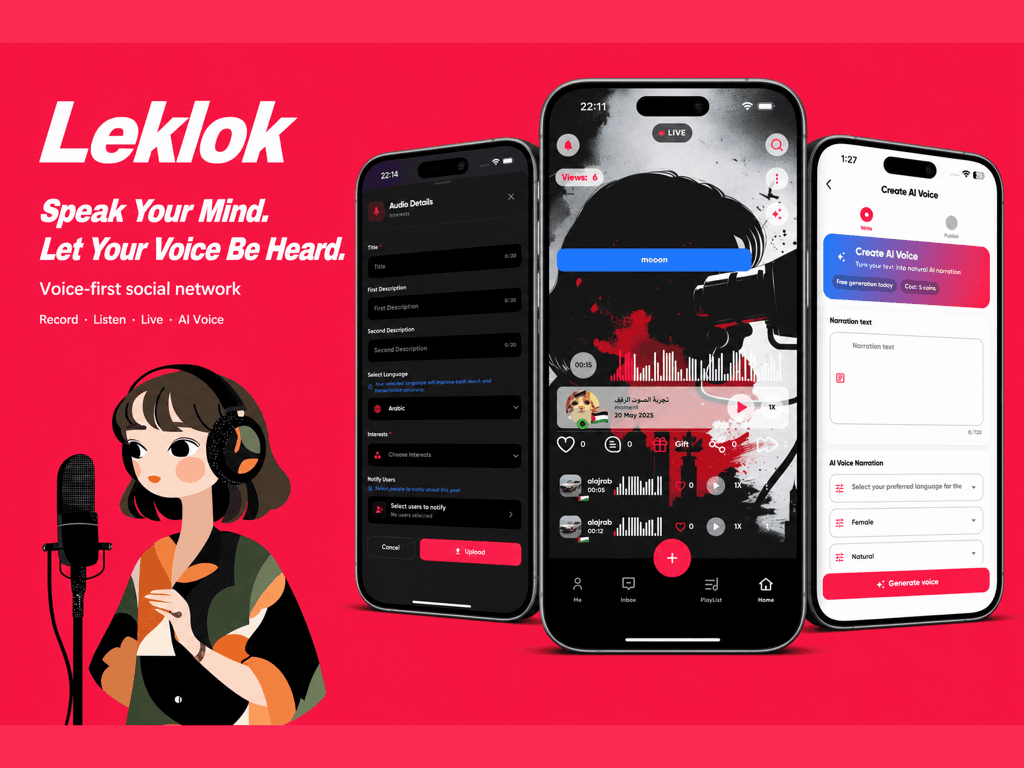
Leklok
Voice-first social app with live rooms & AI audio
Production launch on App Store & Google Play
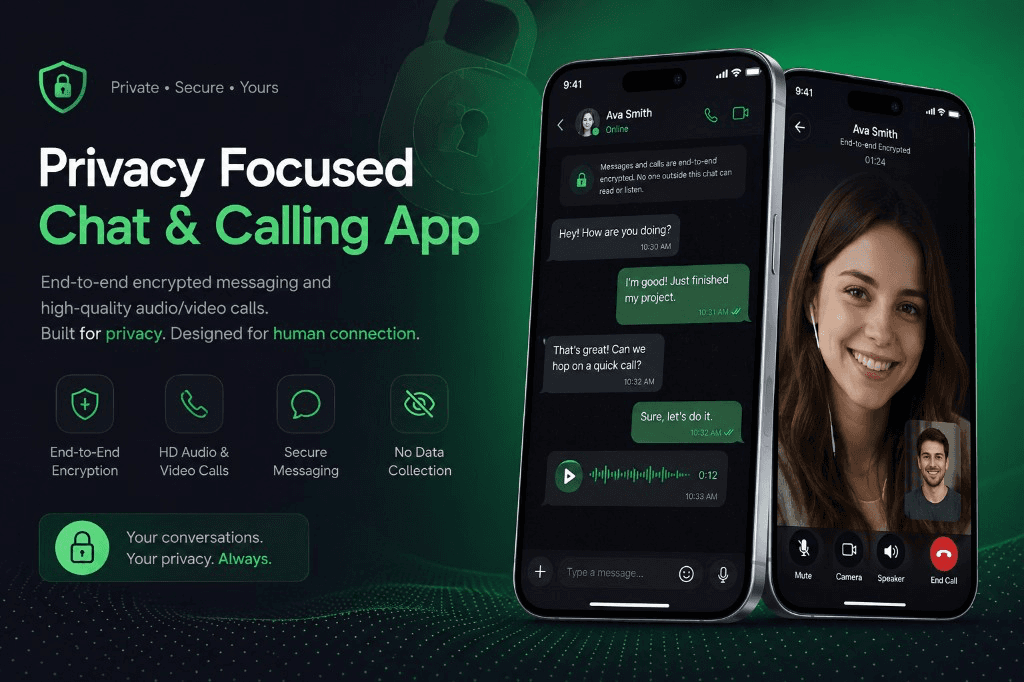
Chattick
Privacy-first encrypted messaging & calling
Launched on App Store & Google Play with full monetization
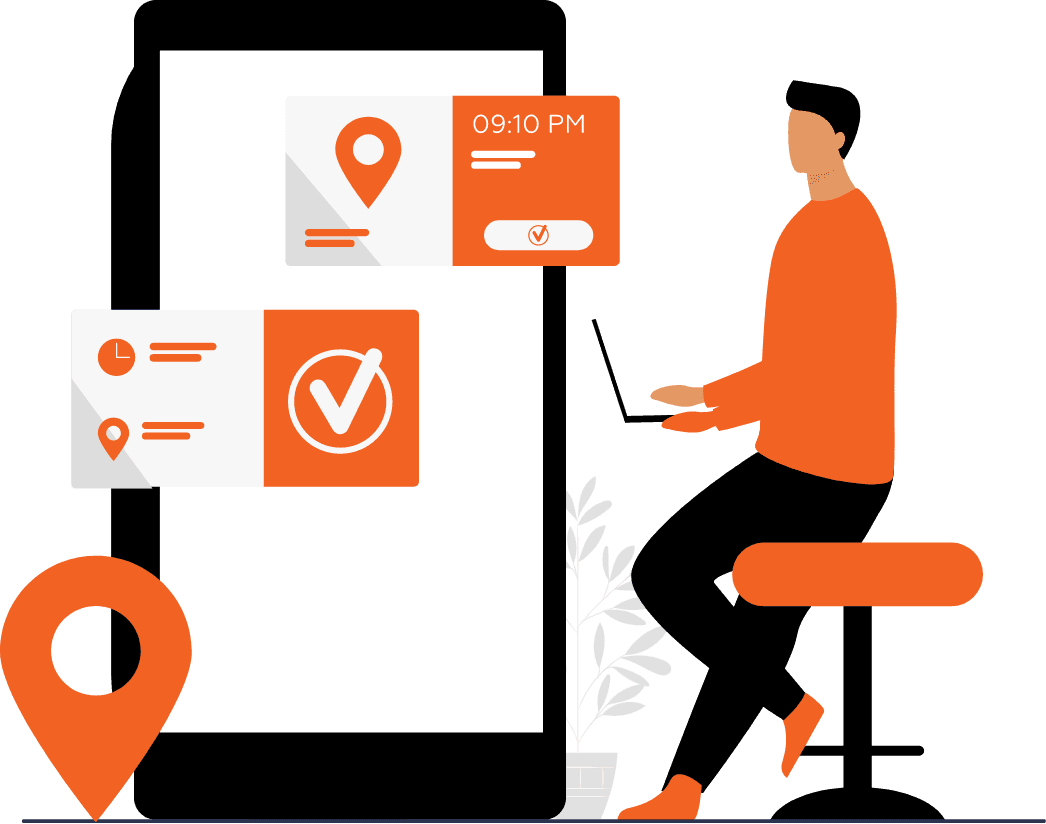
Shippacks
Dual-role package delivery — shippers and drivers
App Store and Google Play launch
FAQ
Common Questions
How long does a typical MVP take?
Do you work with international startups?
Flutter, React Native, or Swift — which do you recommend?
What backend do you use for mobile apps?
Can you take over an app another team built?
Do you handle App Store and Google Play submission?
Can you build for multiple languages and right-to-left scripts?
How do subscriptions and in-app payments work?
Will the app work offline?
Who owns the code we pay for?
Ready to build something remarkable?
Book a free 20-minute scoping call. We'll review your idea, share relevant case studies, and outline a realistic timeline.
Reply within 24 hours · No commitment required