Service
Android App Development
Android app development services in Flutter and Kotlin — built for real devices, current Play policy and a release that is not blocked at review.
We build Android apps for startups and growing products — usually in Flutter so iOS comes with it, with Kotlin where the platform demands native code. Every build is tested on real hardware across screen sizes and OS versions, and shipped to Google Play against the policies that apply today, not the ones from two years ago.
Android is most of the world’s smartphones, and the hardest platform to get right everywhere. Thousands of device models, manufacturer battery savers that kill background work, screen sizes from small phones to tablets, and a Play Store whose requirements tighten every year. An Android app that works on the developer’s phone is the start of the job, not the end.
Most of our Android work ships in Flutter, which gives you the iOS app from the same codebase. When an app needs something Flutter does not handle well, we write it natively in Kotlin or rebuild the native library ourselves — as on Leklok, where an archived audio dependency broke Google Play’s 16 KB page-size check and a custom FFmpegKit build kept voice modification working and the release compliant. The full story is in our write-up.
If you are looking for an Android apps development company to take a product from idea to Google Play, or to rescue a release that keeps failing pre-launch checks, this is the work we do.
What We Deliver
- Flutter apps for Android and iOS from one codebase
- Native Kotlin modules and foreground services
- Google Play submission, closed testing and staged rollouts
- 16 KB page-size and target API level compliance
- Offline-first sync with local storage and an outbox
- Firebase Cloud Messaging push and in-app chat
- Google Play Billing, RevenueCat subscriptions and Google Pay
- Google Maps, Places and live location tracking
Start Your Project
Book a free scoping call or send us your project details.
Our approach
How we decide what to build with
The trade-offs behind the stack, so you can challenge them before the work starts.
Flutter unless there is a reason not to
Shared code with iOS, consistent UI on every device, and native performance for the interfaces most products need. Leklok, Chattick, BackMe, Auto-Listo! and Shippacks all run on Flutter.
Kotlin for the platform-specific parts
Ongoing notifications, foreground services, native audio and other Android APIs are written natively and bridged in, rather than forced through a plugin that half works.
Built for unreliable networks
Offline-first storage and an outbox that syncs when the connection returns — the architecture behind Chattick’s messaging — so actions queue instead of failing on a weak signal.
Compliance in CI, not at the deadline
Target API level, native library alignment and permissions are checked on every release build, so a Play policy change shows up as a failed pipeline months early, not a blocked launch.
Who this is for
Where this service fits
If one of these sounds like your team, we have done this work before.
Startups launching on both platforms
One Flutter codebase for Android and iOS, so you are not paying for two apps or watching one platform lag behind the other.
Android-first markets
Products aimed at South Asia, the Middle East, Latin America and other regions where Android dominates — including right-to-left Arabic and Urdu layouts.
Apps blocked by Play Console
Target API deadlines, 16 KB native libraries, Data safety mismatches or a new developer account stuck in closed testing. We diagnose it and get the release moving.
Apps with background work
Timers, live tracking, calls and sync that must survive Doze and aggressive manufacturer battery optimisation.
How we work
From first call to store launch
The same five steps run every engagement, whatever the service.
Discovery
Design
Build
Launch
Grow
Related Work
See It In Action
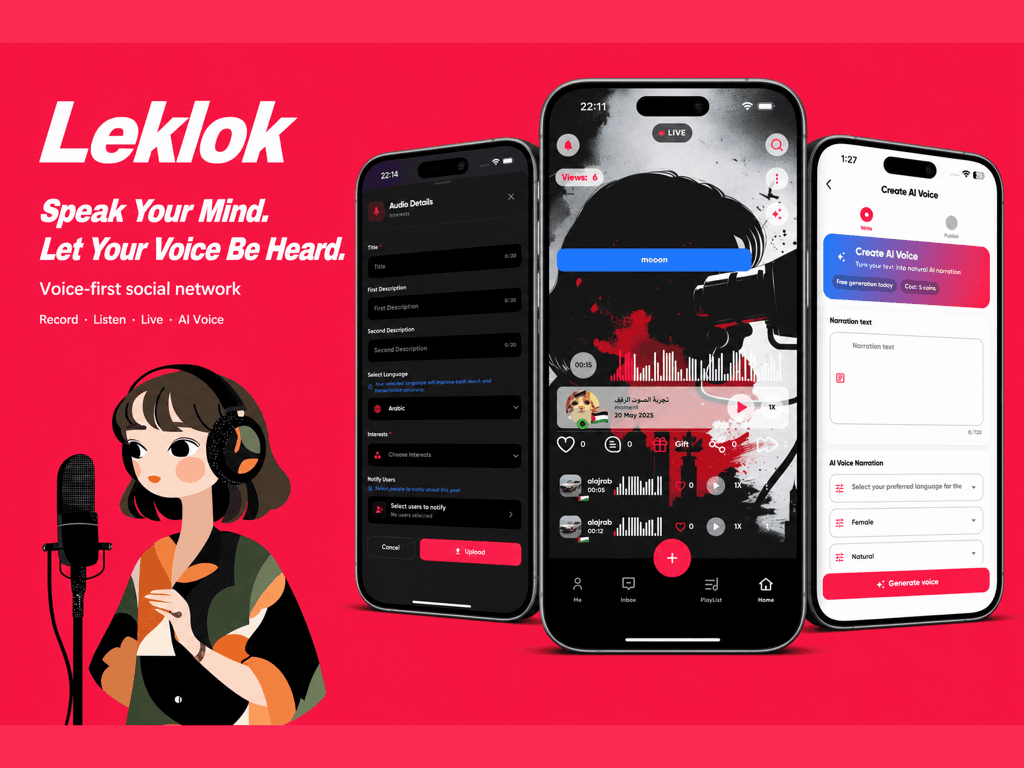
Leklok
Voice-first social app with live rooms & AI audio
Production launch on App Store & Google Play
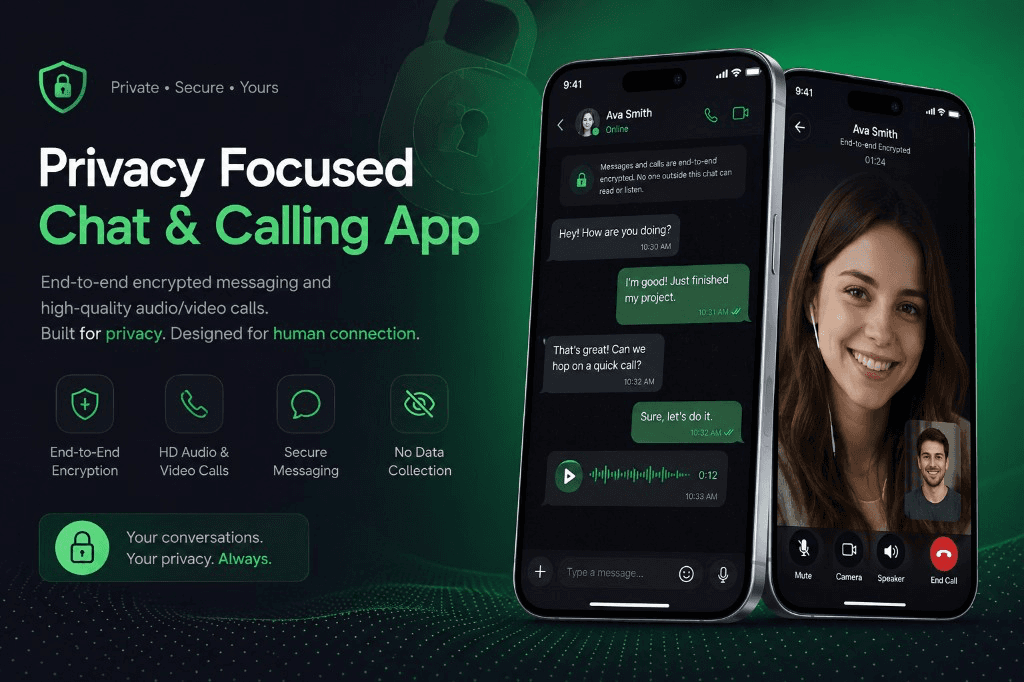
Chattick
Privacy-first encrypted messaging & calling
Launched on App Store & Google Play with full monetization
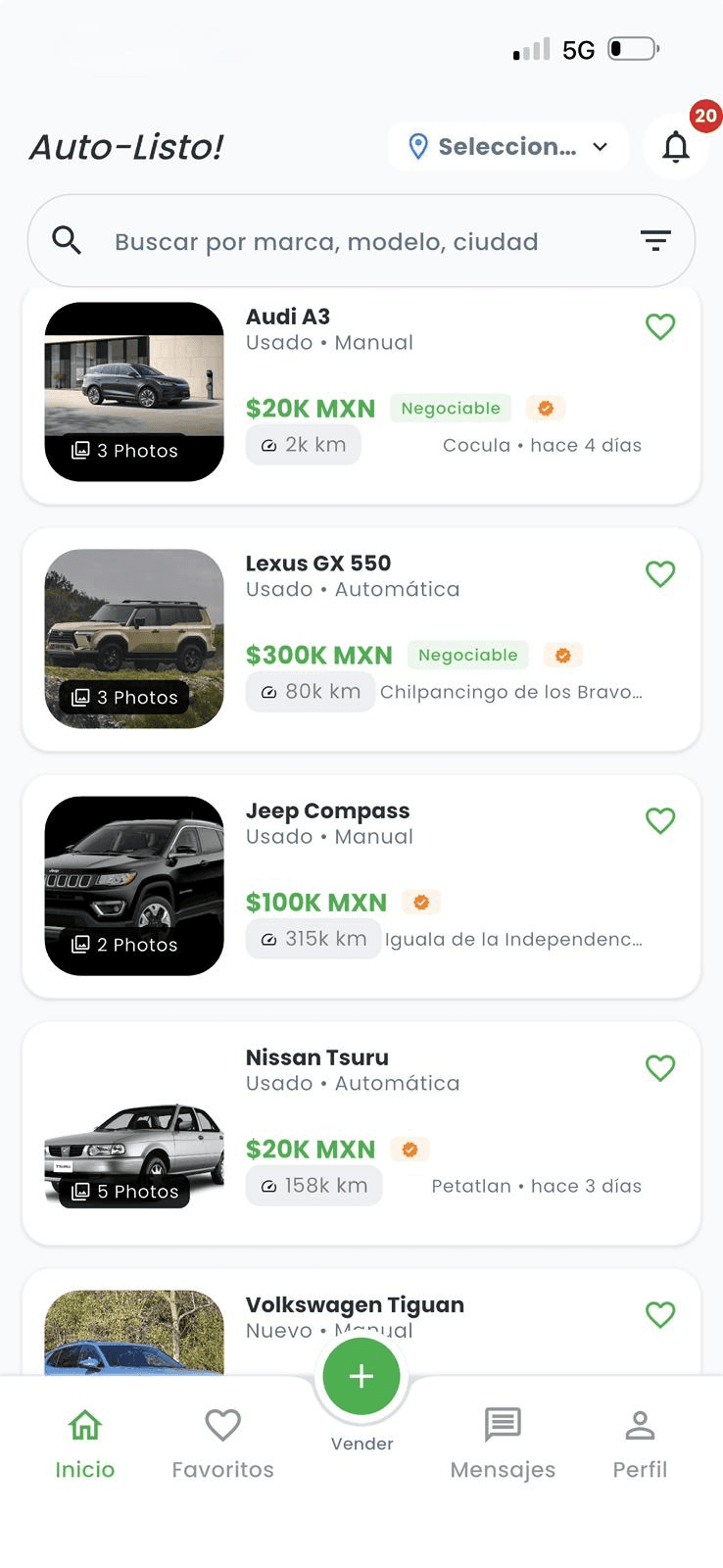
Auto-Listo!
Vehicle marketplace for Guerrero, Mexico
Flutter marketplace with admin, ads, and marketing site
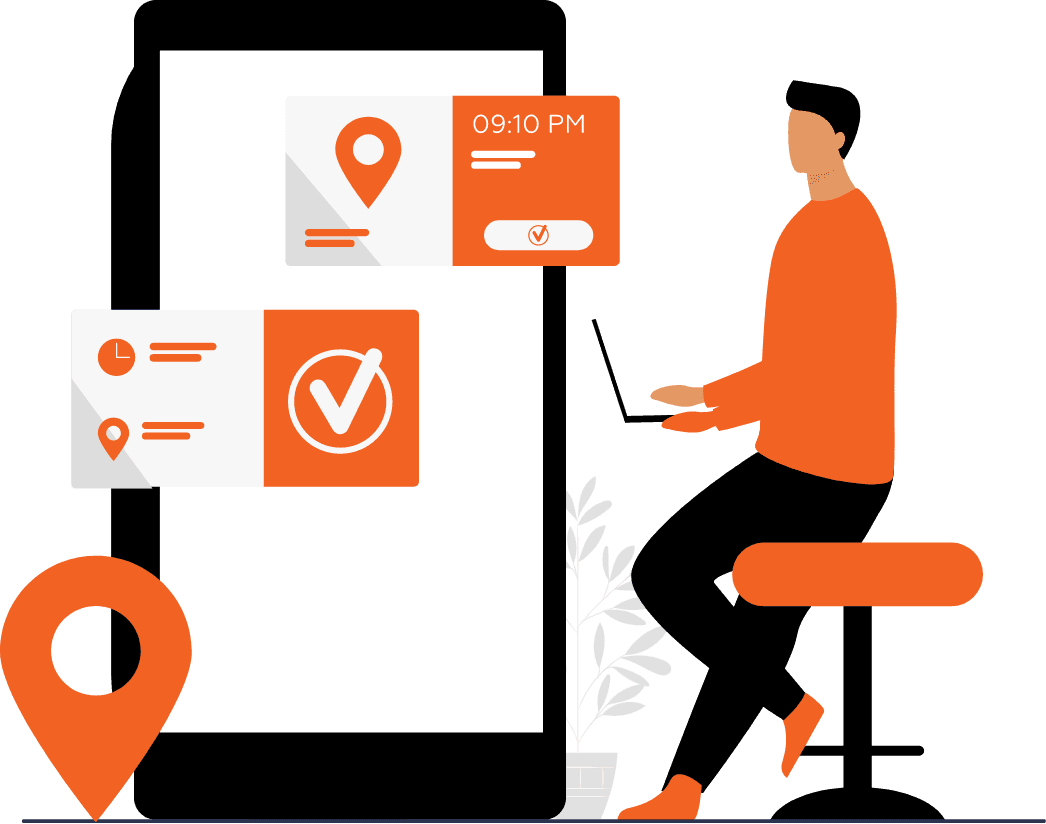
Shippacks
Dual-role package delivery — shippers and drivers
App Store and Google Play launch
FAQ
Common Questions
Do you build Android apps in Kotlin or Flutter?
Can you fix a Google Play 16 KB page size rejection?
How do you test on so many Android devices?
What does it cost to publish on Google Play?
Will my Android app work offline?
Can you take over an existing Android app?
Ready to build something remarkable?
Book a free 20-minute scoping call. We'll review your idea, share relevant case studies, and outline a realistic timeline.
Reply within 24 hours · No commitment required